The conversation around Gen Z and artificial intelligence tends to fall into two tired camps: either they’re reckless digital natives who’ve outsourced their brains to chatbots, or they’re savvy tech pioneers reshaping civilization. The reality, as new survey data shows, is far more nuanced, and far more interesting.
A recent global study by Wiingy surveyed 1,532 Gen Z respondents aged 18–26 across the US, UK, Australia, and Germany to understand exactly how this generation relates to AI , not just how often they use it, but how they feel about it.
The findings, published in the Gen Z and AI Usage Global Survey, challenge several popular assumptions about who Gen Z is and what they actually want from technology.
AI Isn’t a Tool for Gen Z , It’s Infrastructure
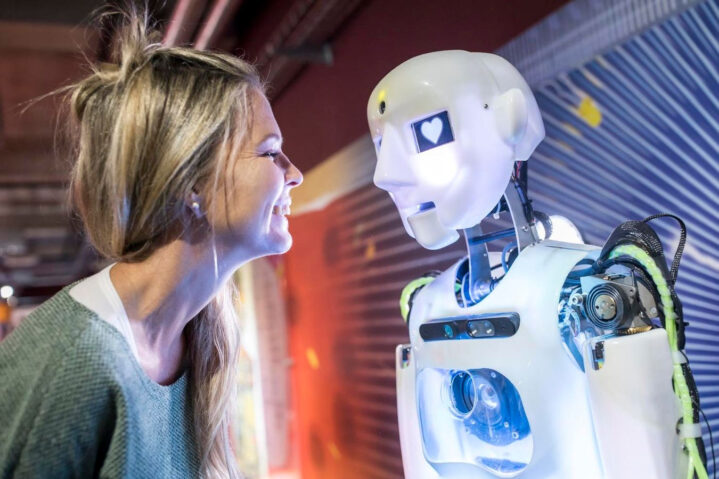
Over half of Gen Z (54%) report using AI multiple times a day. Add in those who use it a few times a week, and 72% of Gen Z cannot go an entire week without interacting with AI in some form.
For context, that’s a higher dependency rate than many people have with their morning coffee.
This isn’t passive consumption. Gen Z is integrating AI into writing, studying, decision-making, and even emotional processing. The question is no longer whether they use AI , it’s how deeply, and on what terms.
They’ve Formed Relationships With It (Yes, Really)
One of the more striking findings from the report: 75% of Gen Z feel a personal connection to AI. This breaks down as 41% describing themselves as being “in a relationship” with AI, 20% treating it as an acquaintance, and 10% describing things as “complicated.”
For older generations, this might sound dystopian. For Gen Z, it’s descriptive. They’ve grown up with AI assistants, recommendation algorithms, and chatbots as constant background presences. The idea that you might feel something toward an entity you interact with daily , that isn’t strange to them. It’s just honest.
Mental Health: AI as a First Responder

Perhaps the most significant finding in the study is around mental health. 68% of Gen Z are open to letting AI track their moods, including sleep cycles, stress levels, and emotional patterns.
More striking still: 63% turn to AI-generated mental health resources at least sometimes, with 22% saying they completely trust AI for mental health guidance.
This doesn’t mean Gen Z is replacing therapy with chatbots. But it does suggest they’re using AI as a low-barrier first touchpoint , a way to process feelings before (or instead of) involving a human.
Whether that’s a healthy adaptation or a worrying shortcut depends heavily on the quality of the AI tools they’re using, and the access they have to real clinical support.
Their Values? Still Very Human
Here’s where the data pushes back hard on the “AI is rewiring Gen Z’s brains” narrative.
When asked what primarily shapes their values, 57% cited family, 15% cited themselves, and 14% cited social media. Only 3% credited AI tools for influencing their core values.
For all the hand-wringing about digital platforms corrupting youth, Gen Z’s moral compass is still calibrated by the people closest to them. AI helps them write a cover letter or study for an exam , it doesn’t tell them what to believe.
They Trust AI to Run the Government More Than Their Own Workplace

This is the paradox that the report surfaces most sharply.
85% of Gen Z believe AI could govern better than the current government. That’s a stunning number , and a clear signal of how disillusioned this generation is with existing political institutions.
They see AI as offering efficiency, data-driven decisions, and freedom from the corruption and partisanship they’ve watched dominate political life.
Yet in the same survey, 76% believe AI will not replace traditional jobs. They’re willing to hand the keys to the Senate, but not to their own office.
The pattern makes a kind of emotional sense. Government feels distant, broken, and slow. Their workplace , their identity, their livelihood , feels personal. AI as a political fix is abstract. AI replacing their job is immediate.
ChatGPT Is Winning the Classroom, and It Isn’t Close
When it comes to academic improvement, Gen Z has a clear favorite: 90% of respondents named ChatGPT as the tool most responsible for improving their grades. Perplexity came in at 3%, OneNote at 2%, and Quizlet , once the go-to study app , barely registered at 1%.
This isn’t just brand loyalty. It reflects a genuine shift in how Gen Z learns. They use ChatGPT primarily to improve their writing and communication skills (62%), followed by math and science explanations (20%), and language learning (10%).
The framing older generations reach for , “that’s just cheating” , doesn’t land with Gen Z. For them, using the best available tool isn’t dishonesty. It’s efficiency. The report puts it plainly: what Millennials called academic fraud, Gen Z calls a partnership.
What This Actually Means

The picture that emerges from this data isn’t of a generation that has surrendered to machines. It’s of a generation that has integrated AI deeply into daily life while maintaining clear-eyed limits about where human connection, judgment, and empathy matter more.
They’ll let AI track their mood. They won’t let it define their values. They’ll use it to write better essays. They’re skeptical it will take their jobs. They’d vote for an AI president before they’d trust their current senator.
Gen Z isn’t naive about AI , they’re pragmatic about it in ways that earlier generations aren’t. And if the rest of us want to understand where human-AI coexistence is actually headed, watching what this generation does next is probably our best source of data.