The medical industry is facing some of the most challenging times in modern days, where people need more accessibility to healthcare services, and the ageing population is putting massive pressure on the future staff. The past years have led to massive clinician shortages, and the soaring costs for equipment are also an impediment to patients seeking the right treatment.
While there are many issues, the opportunities are as plentiful for the industry to improve. Technology is on our side, and implementing various digital solutions is ideal to push forward and make sure everyone has a chance of a long and healthy life. This is also needed for the medical staff who are already overwhelmed with the rising number of patients per GP and can be prone to making mistakes, so even a small help from tech solutions could change the course of things. Here’s what we’re talking about.
mHealth is making patient care more convenient
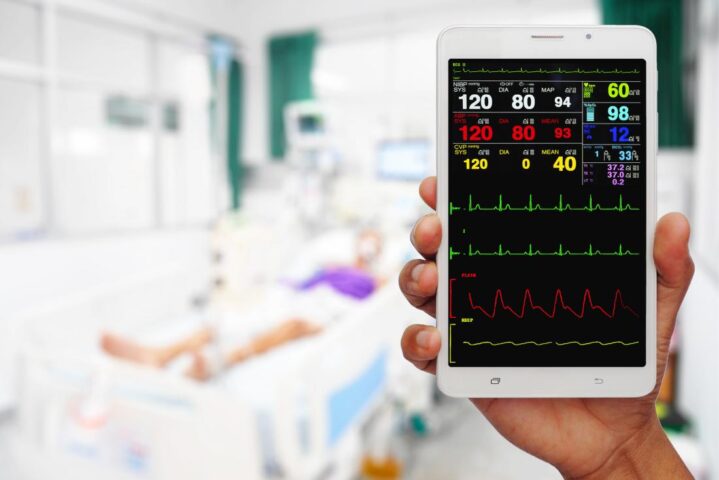
Smartphones are finally becoming more valuable in the industry through the mHealth sector, which allows regular patients to use their mobile phones and communicate with providers while managing appointments better by installing specific applications. The potential of mHealth goes beyond helping staff make a decision about people’s treatments or keep patients under observation, as the sector could potentially evolve the educational part of medicine, create a helpline, and track epidemics efficiently.
However, mHealth is still developing due to the issue of collecting and using patient data. Thus said, collecting and processing data about users continuously must come with protection measures so people’s information is not at risk of being stolen or used to their detriment. In the digital era of healthcare, cybersecurity must be a priority for companies so they can implement prevention, identification of threats, and a good response to cyberattacks.
AI is advancing medicine in all its branches
Artificial Intelligence is maybe one of the most awaited technological improvements in healthcare because it can be useful throughout the entire industry. Professionals using it can improve the accuracy of the diagnosis, as this study from Harvard shows in LLMs (large language models), as well as help practitioners personalise the experience of every patient for better recovery. AI has the chance to assist every healthcare staff member throughout their day to ensure all patients benefit from the best care while not burning out that fast.
But the main issue with AI is similar to mHealth, as using the technology requires companies to have access to a vast amount of data to feed models. Moreover, more people trust AI chatbots to advise them on health concerns rather than visit a specialist, which is why Microsoft and Mayo Clinic are making efforts to collaborate in the emergence of an AI model trained on medical data, so in the future, clinicians and doctors will improve their skills and approach for every patient with the help of an advanced AI tool.
EHRs are fighting bureaucracy
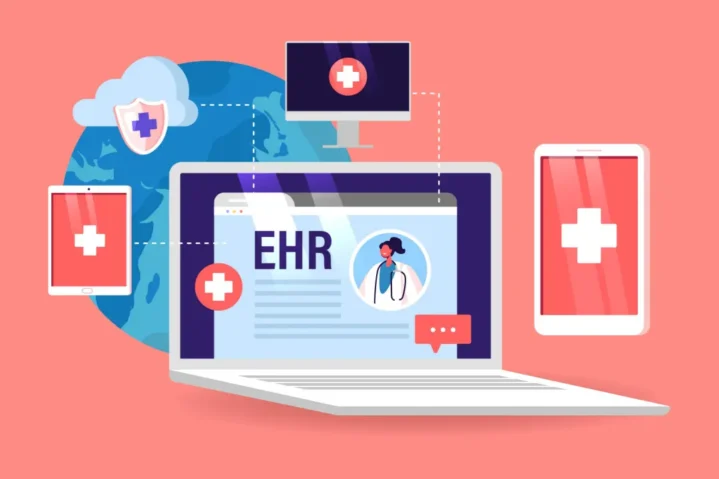
The bureaucracy in the NHS might be one of the reasons why care hasn’t advanced yet, although many other aspects contribute to the let-down of the medical system. Regardless, it’s time for a new system, the EHRs (Electronic Health Records), where the patient data history will be thoroughly added, so doctors can have a full outlook on a person’s condition over the years to make an efficient diagnosis.
EHRs are also efficient because they allow health providers to communicate between departments and streamline the diagnosis and treatment processes, such as doctors and nurses, or physicians and other healthcare providers. Again, patient data collection and management must be prioritised here, but cybersecurity is as important to ensure no one can enter these systems and impersonate either patients or doctors.
How to protect patient data in such an advanced tech era
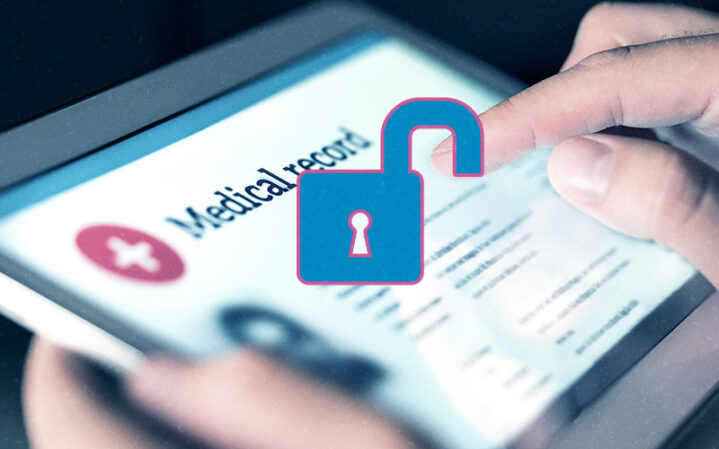
Every new technology that enters the healthcare industry has the potential to solve the problems people and healthcare providers face, but it can also cause troubles in terms of patient data safety. Considering the healthcare sector is often the main target of data breaches and unauthorised internal disclosure, we can say that the industry and tis people are at high risk of having their data compromised if advanced technology isn’t properly assessed.
So, companies must start with confidentiality agreements when experimenting with new technologies and devices, because these documents will shape the expectations and responsibilities of every person in the medical staff to avoid accidents like data leaks, which employees are guilty of.
Doctors and specialists must also receive training often to understand the risks of not managing data accordingly, which is the exact vulnerability scammers are looking for when formulating phishing emails. But other aspects of data control are equally essential: defined access control, data encryption, and regulatory compliance.
What else should you expect from the future of healthcare?
New technologies are a major part of the development of healthcare, and the near future brings us closer to improvements like telemedicine, where video conferencing will allow medical staff to see and treat patients remotely, so people from isolated places or who cannot travel to the closest facility will have better chances of an easier life.
Wearables will also help boost proper diagnosis and patient monitoring, as both patients and doctors can wear them to make data transfer fast and easy. An example is the ADAMM (Automated Device for Asthma Monitoring and Management) that people with asthma can wear and send alerts to the staff in the case of an asthma attack. Smart rings for sleep tracking, heart rate monitors, or blood pressure monitors are also becoming the norm in medicine.
Final considerations
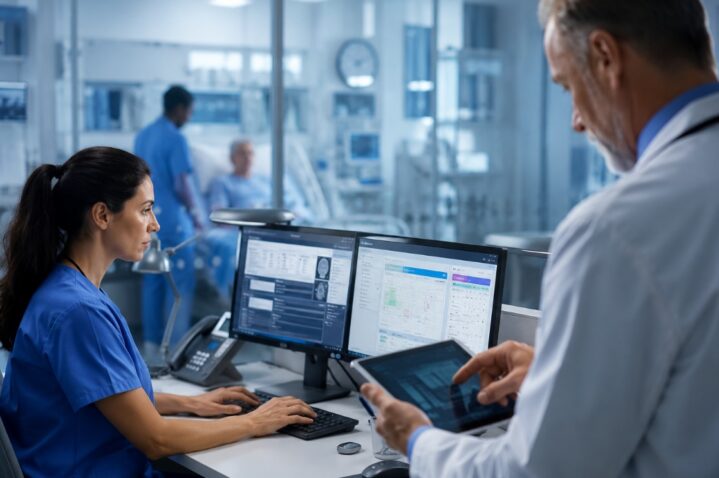
The NHS, along with the entire medical industry, faces challenges in supporting proper patient care as people are ageing faster and require more complex diagnoses and treatments, all this while balancing the shortage of staff and the global financial issues. So, in times like these, we’re turning towards technology to support current professionals, such as mHealth, artificial intelligence, and EHRs, all of which are slowly getting regulated and adopted by cabinets and hospitals. However, navigating these technologies requires more attention to data collection and staff training, considering healthcare is a common target for cyberattackers.