Success at the 24 Hours of Le Mans represents one of the highest achievements in international motorsport. The legendary race rewards more than outright speed. Teams must combine reliable engineering, smart strategy, consistent driving, and flawless execution for an entire day of competition.
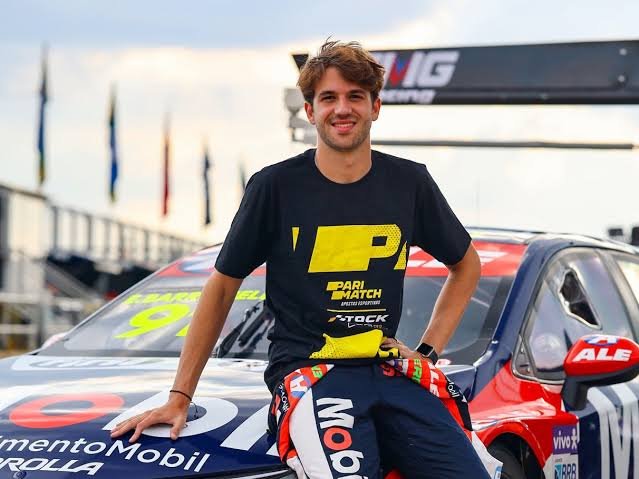
This year’s event delivered another memorable story as Brazilian driver Eduardo “Dudu” Barrichello helped secure a podium finish in the LMGT3 category while also receiving a prestigious fan-voted award.
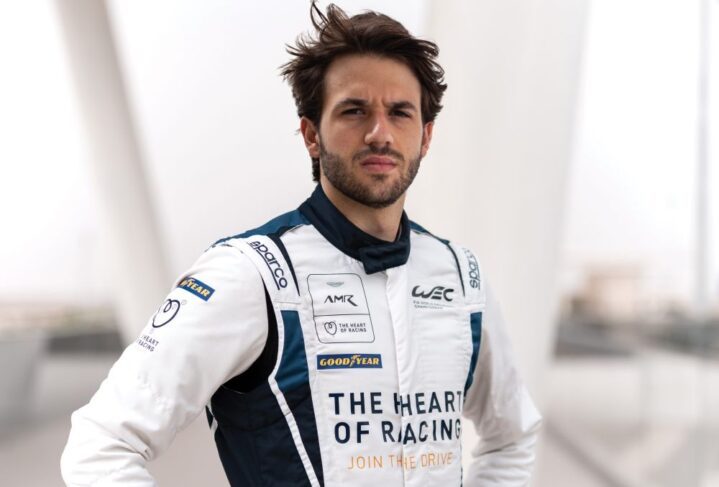
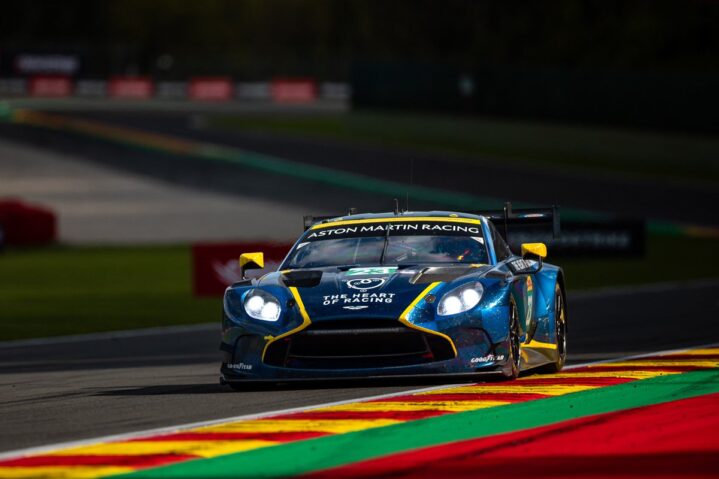
As reported by Formula1News.co.uk, Barrichello completed the final stint for The Heart of Racing Team, crossed the finish line in third place in the LMGT3 class, and earned the Wingfoot Award after an impressive performance throughout the race.
The result also marked another important milestone in his partnership with Coinspaid, where he serves as a brand ambassador.
Unlike traditional sprint races, endurance competitions demand sustained performance over many hours. The 24 Hours of Le Mans stands at the top of this discipline.
Held annually at France’s Circuit de la Sarthe, the race challenges every aspect of a team’s preparation.
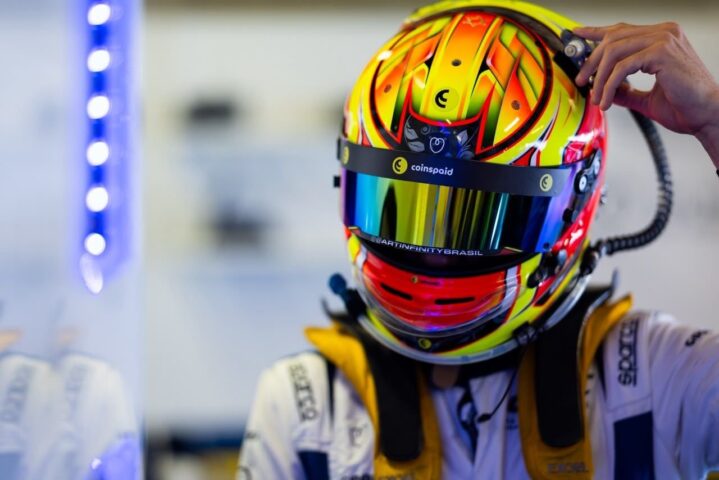
Drivers rotate behind the wheel throughout the event, engineers constantly monitor vehicle performance, and strategists make split-second decisions about tire changes, fuel stops, and race pace. A single mistake or technical issue often changes the outcome after hundreds of laps.
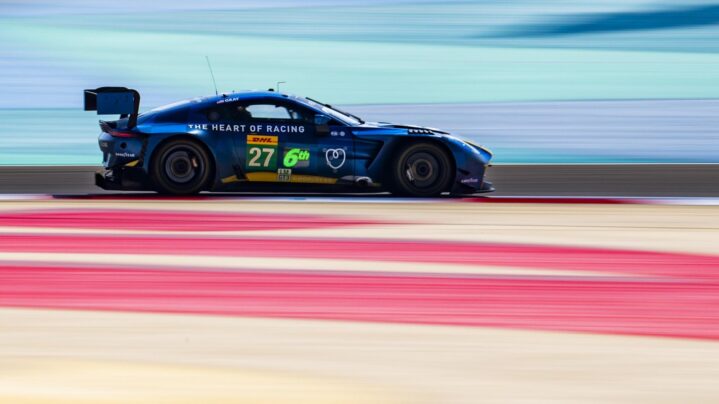
Barrichello shared driving duties in the No. 23 Aston Martin Vantage with teammates Gray Newell and Jonny Adam.
Each driver completed multiple stints during the race, balancing speed with mechanical sympathy to ensure the car remained competitive until the finishd
This approach defines endurance racing, where preserving equipment often proves as important as pushing for maximum lap times.
The Heart of Racing Team maintained a steady pace from the opening hours through the overnight stages.
While other competitors encountered incidents, penalties, or mechanical setbacks, the Aston Martin crew avoided major problems and consistently remained among the leading LMGT3 contenders. Reliability became one of the team’s greatest strengths throughout the demanding event.
Barrichello’s role became even more significant during the closing phase of the race. He was selected to drive the final stint, taking responsibility for bringing the car home under intense pressure.
Completing the final laps at Le Mans requires absolute concentration because fatigue affects every participant after nearly twenty-four hours of continuous competition. Despite these challenges, the Brazilian successfully secured third place for his team and delivered another podium finish for Aston Martin.
The LMGT3 category has become one of the most competitive classes in endurance racing. Manufacturers from around the world compete with production-based sports cars that undergo extensive preparation for long-distance competition.
Although these vehicles resemble road-going sports cars, they feature specialized suspension systems, aerodynamic improvements, racing safety equipment, and engines optimized for durability rather than maximum horsepower alone.
Winning or reaching the podium in endurance racing depends on several interconnected factors. Driver speed remains important, but consistency often determines the final standings.
Teams also rely on efficient pit stops, accurate fuel calculations, tire management, weather analysis, and communication between engineers and drivers. Every decision throughout the race influences the final result.
Strategy changes continuously during Le Mans. Teams adjust their plans based on safety car periods, changing weather conditions, tire degradation, and fuel consumption.
Engineers monitor telemetry around the clock while race strategists calculate the ideal timing for driver changes and pit stops. These calculations become especially valuable during the night, when visibility decreases and track temperatures change significantly.
The race also places extraordinary physical and mental demands on every driver. Competitors experience high cockpit temperatures, long periods of concentration, and limited opportunities for rest between driving sessions.
Maintaining focus while navigating traffic involving multiple racing classes remains one of endurance racing’s greatest challenges.
Drivers frequently overtake slower cars while simultaneously yielding to faster prototype machines, creating constant decision-making throughout every lap.
Barrichello’s performance reflected the maturity he has developed during recent seasons.
Rather than relying on aggressive driving alone, he demonstrated patience, consistency, and effective race management.
These qualities have become increasingly valuable as endurance racing continues attracting experienced professionals alongside rising young talents.
His achievement extended beyond the podium when fans selected him as the recipient of the Wingfoot Award. Unlike results determined by race officials, this recognition reflects public appreciation for a driver’s overall performance, commitment, and racecraft during the event.
Receiving such recognition indicates Barrichello’s growing popularity among endurance racing followers worldwide.
Awards decided by fans often carry unique significance because they recognize qualities beyond finishing position alone. Consistency, determination, professionalism, and memorable performances frequently influence public voting.
Barrichello’s driving throughout the weekend clearly resonated with spectators who followed every stage of the famous endurance race.
The podium finish also strengthened an already impressive campaign during the current endurance racing season.
Earlier in the year, Barrichello celebrated third place at the Rolex 24 at Daytona before securing second place at the 12 Hours of Sebring.
Adding another podium at Le Mans completed an exceptional sequence across three of endurance racing’s most respected events.
These races form the foundation of modern endurance competition.
Daytona traditionally opens the international season in the United States, Sebring follows with its notoriously rough circuit surface, and Le Mans serves as the championship’s most prestigious event. Achieving podium finishes in all three races during the same season remains an uncommon accomplishment for any driver.
Each event tests different aspects of both drivers and teams. Daytona rewards adaptability because temperatures vary significantly between day and night. Sebring places extraordinary stress on vehicles due to its uneven concrete surface.
Le Mans combines extreme speed with long straights, technical corners, and changing weather conditions. Success across all three venues demonstrates complete versatility rather than specialization.
For The Heart of Racing Team, the Le Mans result highlighted years of steady development. The organization has built a reputation for disciplined race execution and strong collaboration with Aston Martin.
Rather than relying solely on raw pace, the team consistently emphasizes preparation, communication, and operational efficiency. Those characteristics often become decisive during endurance races lasting twelve or twenty-four hours.
The partnership between Barrichello and Coinspaid also gained additional visibility through the Le Mans podium.
The company has supported the Brazilian driver as part of its ambassador program, highlighting individuals who demonstrate discipline, resilience, and long-term commitment to excellence. Strong performances on internationally recognized stages naturally increase exposure for both athletes and commercial partners.
Sports sponsorships increasingly focus on shared values instead of simple logo placement. Companies seek ambassadors whose careers reflect persistence, professionalism, and continuous improvement.
Barrichello’s recent results align closely with those objectives because his success stems from consistent execution across multiple high-profile competitions.
The Le Mans weekend also delivered a memorable personal moment for the Barrichello family. Former Formula One driver Rubens Barrichello remained with The Heart of Racing Team throughout the event, supporting his son from the garage during every phase of the twenty-four-hour contest. Watching a father witness one of the biggest achievements of his son’s career created an emotional storyline alongside the sporting success itself.
Rubens Barrichello remains one of Brazil’s best-known racing drivers after spending nearly two decades in Formula One. His experience includes victories, championship battles, and partnerships with some of the sport’s biggest teams.
Seeing the next generation continue building its own career at the highest levels of international motorsport highlights the family’s ongoing contribution to racing.
Dudu Barrichello continues establishing his own identity rather than relying solely on his famous surname. Recent performances demonstrate steady progress built through endurance racing experience, teamwork, and consistent improvement. Success across Daytona, Sebring, and Le Mans suggests he has become one of the discipline’s most dependable young competitors.
With several major events still remaining on the calendar, attention now turns toward maintaining this momentum throughout the rest of the season. Endurance championships reward consistency over individual victories, meaning every race contributes valuable championship points and further opportunities to strengthen both driver and team reputations.
The Le Mans podium stands as one of the defining moments of Barrichello’s career so far.
Finishing among the top three at one of motorsport’s most respected events represents an achievement every endurance driver pursues.
Combined with the Wingfoot Award and a season filled with podium finishes, the result confirms his growing status on the international stage and reinforces expectations for future success in endurance racing.