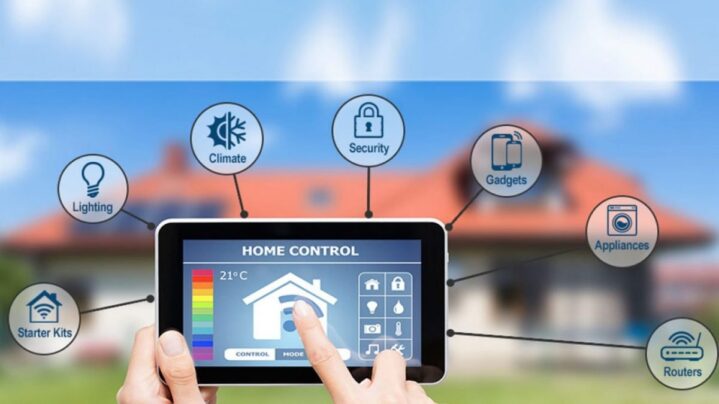
AI smart appliances are no longer just shiny gadgets that look good in a showroom. They are starting to handle small, annoying decisions that pile up each week.
Think laundry settings, grocery reminders, oven timing, dishwasher cycles, filter alerts, and energy use. None of this sounds dramatic alone, but together it changes how a home runs.
The real story is not that appliances are becoming “futuristic.” They are becoming more useful.
Why AI Smart Appliances Feel Different Now
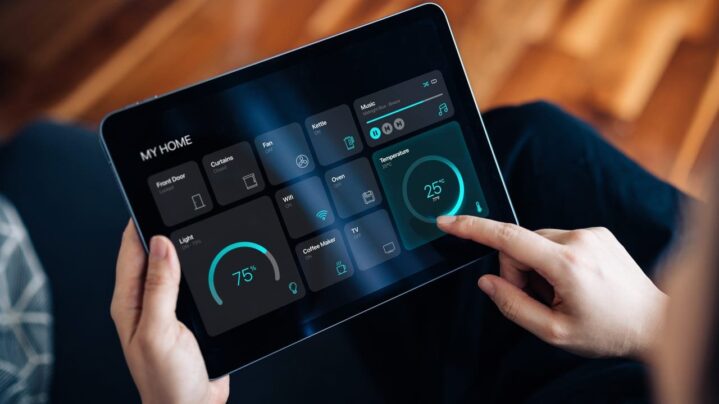
Older smart appliances often felt like regular machines with Wi-Fi. You could start a washer from your phone or get a notification when the oven finished, which was convenient, but not exactly life-changing.
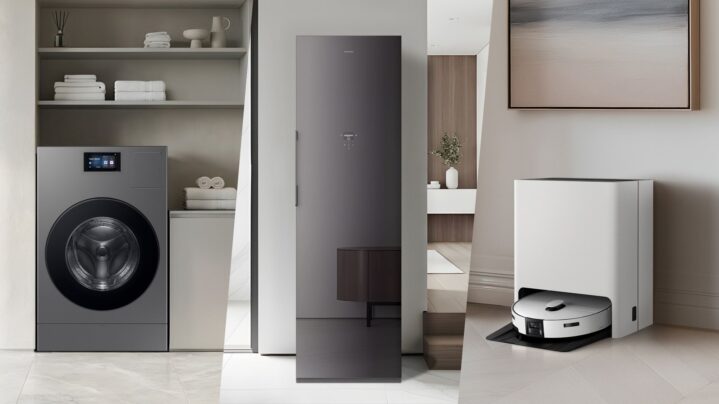
AI-powered appliances go further because they learn from patterns, sensors, and usage data. A washer can adjust a cycle based on load size. A refrigerator can flag a door left open. A robot vacuum can map rooms and avoid obstacles more intelligently.
The appliance is not just waiting for a command. It is trying to understand the task and reduce the small decisions that usually land on you.
Convenience Still Needs Real-World Support
Here is the part people forget: even the smartest appliance still lives in a real kitchen or laundry room.
Motors wear down, seals loosen, pumps clog, and sensors fail. That is why connected homes still need practical repair support, especially when a refrigerator, dishwasher, washer, dryer, or oven starts acting strange.
For homeowners in Washington, a service like Major Appliance Repair in Bellevue fits naturally into this new smart-home reality, because advanced appliances still need skilled diagnosis when software meets hardware.
Smart alerts are helpful, but someone still has to fix the actual machine.
Where AI Is Showing Up First

The biggest changes are happening in rooms where chores repeat daily. Kitchens, laundry areas, and cleaning routines are ideal because they involve timing, temperature, habits, and frequent mistakes. AI does not need to replace the person. It just needs to remove a few everyday decisions.
Kitchens that think beyond timers
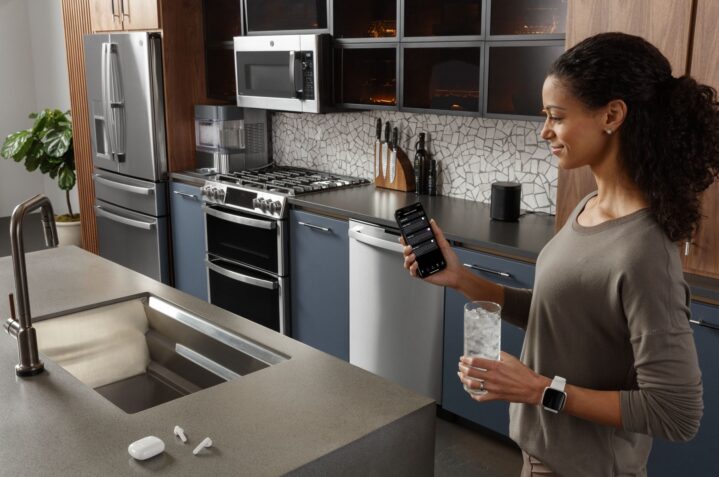
Smart refrigerators, ovens, and dishwashers are becoming more aware of what is happening around them. A fridge can monitor cooling performance and alert you before food spoils.
Some ovens suggest cooking modes based on the dish, while connected dishwashers can choose cycles based on soil levels. The best part is subtle: you do not have to hover.
Instead of checking whether the oven is preheated or wondering why glasses came out cloudy, the appliance gives clearer feedback. That saves time and lowers the mental load.
Laundry that stops guessing
Laundry is one of the clearest examples of AI doing something genuinely useful. Most people guess the cycle, add detergent, press start, and hope for the best.
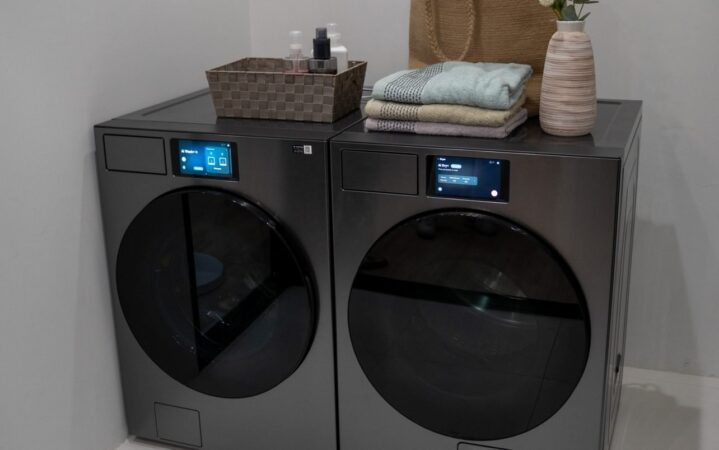
AI washers and dryers can use sensors to detect load weight, moisture, fabric type, or imbalance, then adjust the cycle.
That can mean:
- less wasted water on small loads
- fewer overdried clothes
- better reminders for cleaning filters or checking drainage
It is not magic, and it will not fold your clothes yet. But it can make the process less frustrating, especially in busy households where laundry never ends.
From Reactive Repairs to Early Warnings
One of the most valuable changes is predictive maintenance. Instead of waiting until the freezer stops freezing or the dryer stops heating, smart appliances can notice unusual behavior earlier.
A rising refrigerator temperature, longer drying time, repeated drain errors, or a strange motor pattern can become an alert before the problem becomes expensive. This is useful for homeowners and repair businesses.
A technician who sees an error history can often diagnose faster. That does not remove the need for expertise. It simply gives better clues, which can mean less guesswork.
A Quick Look at the Everyday Shift
The easiest way to understand AI smart appliances is to compare old habits with new ones. The task is usually the same, but the appliance takes on more of the thinking.
|
Home task |
Traditional appliance |
AI smart appliance |
|
Cooking |
Manual timer and temperature checks |
Suggested modes and remote alerts |
|
Laundry |
Fixed cycles chosen by the user |
Sensor-based cycle adjustment |
|
Cleaning |
Random or basic robot vacuum paths |
Room mapping and object detection |
|
Maintenance |
Problem noticed after breakdown |
Alerts based on performance changes |
This shift is small but meaningful. Homes become less about constant checking and more about informed nudges.
Energy Use Is Becoming Smarter Too
AI smart appliances also matter because homes are under pressure to use energy more carefully. Connected products can report energy use, suggest efficient settings, and in some cases respond to demand-response programs from local utilities. That means a dishwasher or dryer may eventually run when electricity is cheaper or the grid is under less stress.
Important point: the goal is not just “remote control.” The better goal is a home that makes efficient choices without making everyday life harder.
For families, that can mean lower waste, fewer peak-time surprises, and better visibility into energy use.
What This Means for Tech and Business
For tech companies, AI appliances are becoming a serious platform, not just a product category. The value is moving from the machine itself to the connected service around it: apps, diagnostics, updates, warranties, parts, and repair partnerships.
For service businesses, it creates opportunities too. Teams that understand smart diagnostics, sensors, and software-driven fault codes will stand out.
The future appliance market will reward companies that combine convenience with trust, because nobody wants a washer that is impossible to service.
The Privacy Question Cannot Be Ignored
There is one trade-off people should take seriously. AI smart appliances collect data to become useful. That might include usage times, energy patterns, room maps, temperature changes, or maintenance history.
Most of that data is not exciting alone, but inside a connected home it can reveal routines. Buyers should look for clear privacy settings, strong update support, and brands that explain what data is collected.
A smart appliance should make life easier, not make the homeowner feel watched. The best future is not the most connected home. It is the connected home that stays understandable and controllable.
Final Thoughts
AI smart appliances are changing everyday home tasks in a quiet, practical way. They help people cook with fewer mistakes, wash clothes more efficiently, clean with less supervision, and catch appliance problems earlier.
The technology is not perfect, and it still depends on good design, privacy controls, and reliable repair support. But when it works well, it gives people something valuable: a home that asks for less attention and gives back more time.