
If you’re thinking about moving to Europe for work, especially in tech, the decision gets complicated fast. Salary matters, but it is not the full story. The real question is how much of that salary you actually keep, and what kind of life it supports.
Across Europe, tech salaries vary widely. In places like Switzerland, senior roles can go well above €90,000, while countries like Germany or the Netherlands sit closer to €55,000 to €85,000. But those numbers alone do not tell you much until you factor in rent, taxes, and daily costs.
So instead of asking where you can earn the most, it makes more sense to ask where you can live well while still moving forward in your career.
What Actually Defines a “Better” Move in Europe
Before looking at specific countries, it helps to clarify what you are optimizing for. Most people mix three things together without realizing it.
- Income after tax
- Cost of living and savings potential
- Daily quality of life
These do not always align. High-paying cities often come with high expenses. Lower-cost cities may limit your career growth.
The strongest positions tend to come from balancing salary and cost of living, not maximizing either one individually.
This is why cities like Berlin or Amsterdam keep coming up. They sit somewhere in the middle, with solid job markets and manageable living costs compared to places like Zurich or London.
Western Europe – Strong Careers, Higher Costs
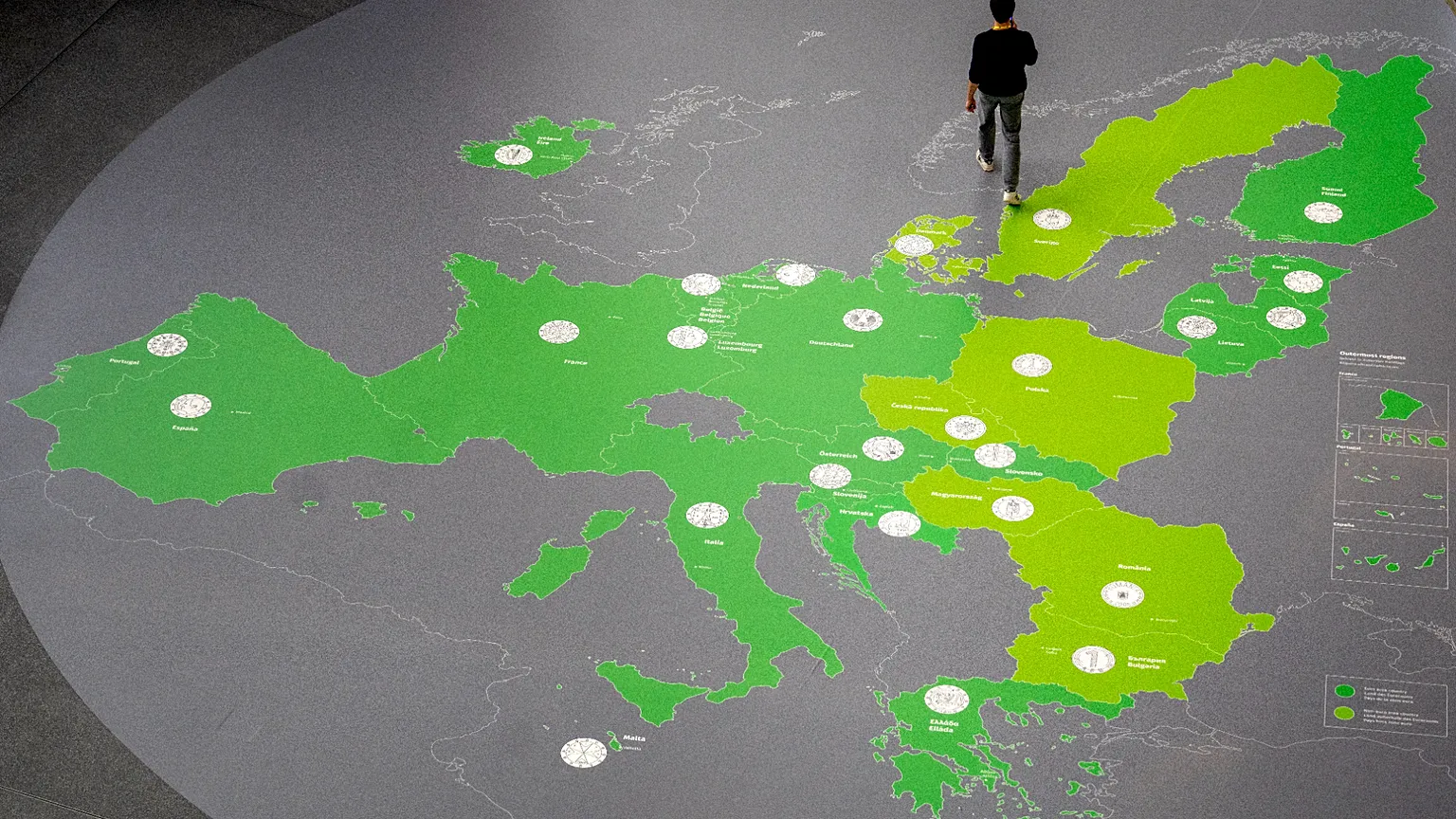
If your main goal is career growth and access to top companies, Western Europe still leads.
Cities like Berlin, Amsterdam, and Dublin consistently attract international tech talent because of steady hiring and established ecosystems. Berlin in particular stands out because it offers a relatively lower cost of living compared to other major tech hubs while still maintaining a strong job market.
What you can expect
|
City |
Salary Level |
Cost of Living |
Career Growth |
| Zurich | Very high | Very high | Strong |
| Amsterdam | High | Medium-high | Strong |
| Berlin | Medium | Medium | Strong |
Zurich is a good example of trade-offs. Salaries are among the highest in Europe, but so are rent and daily expenses You earn more, but you also spend more.
Amsterdam is more balanced. It has a strong startup and corporate presence, and it performs well in terms of savings potential when salaries are high enough.
Berlin sits in a different position. Lower rent compared to Western peers, good variety of jobs, but slightly lower salaries.
Southern Europe – Better Lifestyle, Slower Career Growth
Southern Europe works well if you care more about daily experience than maximizing income.
Cities like Lisbon and Barcelona offer a noticeably lower cost of living compared to London or Paris, which allows for a more comfortable lifestyle even on lower salaries. The trade-off is that local salaries tend to be lower, and career progression can be slower unless you work remotely.
This is where things get interesting in practice. A lot of people combine remote work with living in these regions.
If you spend time in places like Italy, you start to see why people make that trade. Something as simple as taking a cooking class in Verona becomes part of your weekly routine, not a one-time experience. That kind of lifestyle shift is hard to quantify, but it matters.
When Southern Europe makes sense
- You work remotely for a higher-paying company
- You prioritize lifestyle over rapid career progression
- You want lower day-to-day expenses
If your income is fixed locally, it becomes harder to justify financially.
Eastern Europe – Underrated for Building Momentum
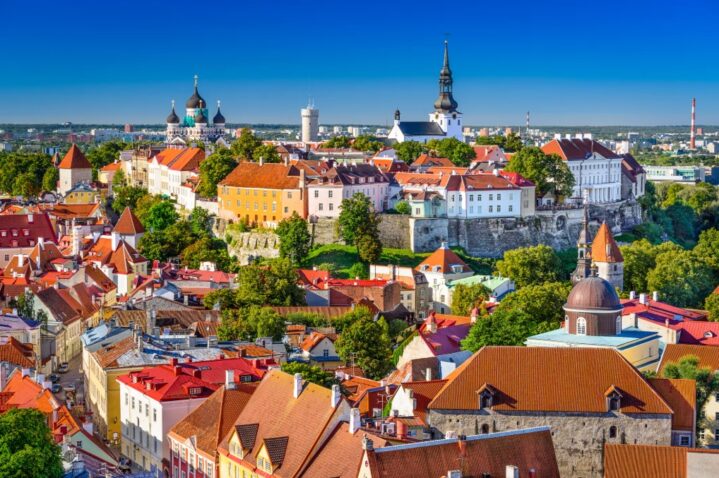
Eastern Europe is often overlooked, but it solves a specific problem well. It lets you save money while still working in a growing tech environment.
Cities like Warsaw, Prague, and Bucharest offer lower salaries, but the cost of living is significantly lower. That means you can actually save more at earlier career stages.
Why this works
- Rent and daily costs are much lower
- Tech sectors are growing fast
- Entry-level roles stretch further financially
For example, junior developers in cities like Warsaw or Krakow can maintain a strong savings rate because expenses stay controlled.
This is not the best option for everyone. If your goal is to work at top-tier global companies, you may still need to move west later. But for building skills and financial stability, it is a practical choice.
How Lifestyle and Career Intersect in Real Life
At some point, the decision stops being about numbers and starts being about how your daily life feels.
Europe as a whole tends to offer better work-life balance compared to other regions. Companies often provide stronger social benefits and more predictable working hours, which is a major reason people choose to stay.
That difference shows up in small ways. You have time to explore your surroundings, build routines, and actually enjoy where you live.
In cities like Rome, this becomes obvious quickly. You might end up booking a cooking class in Rome on a weekday evening, not as a special occasion but as something normal. That shift in how you use your time is part of the value.
A Practical Way to Choose the Right Place
Instead of looking for the “best” country, it helps to match your situation to the type of environment.
Early career
- Eastern Europe or Berlin
- Focus on saving money and gaining experience
Mid-career
- Amsterdam, Dublin, Stockholm
- Strong balance between income and opportunities
Senior roles
- Switzerland, London
- Higher salaries justify higher costs
This approach keeps the decision grounded. You are not chasing an idealized destination. You are choosing what fits your current stage.

Final Thoughts
There is no single best place to move in Europe. What works depends on what you are optimizing for right now.
If you focus only on salary, you may end up in a place that feels expensive and restrictive. If you focus only on lifestyle, you may limit your long-term career options.
The better approach is to think in terms of balance. Look at how much you can save, how your career can grow, and how your daily life will actually feel.