
Modern brokerage firms seek to expand their user base by integrating convenient payment methods and streamlining access to digital storage solutions that ensure top-tier security.
Similar to a cryptocurrency exchange, a reputable brokerage must give its clients the possibility to access assets whenever they need and offer handy trading tools that facilitate buying and selling tokens. In this detailed guide, we will explain why choosing a reliable crypto wallet is essential for brokerage infrastructure.
What Does Crypto Wallet for Brokers Mean?
The term refers to a secure digital storage used to protect decentralized assets. These solutions are designed to store a secret key that traders can use to finalize operations on holdings. One of the main upsides of cryptocurrency wallets is that they enable users to sell or purchase assets quickly when prices reach certain values. Knowing they can transfer or acquire tokens whenever they need boosts traders’ confidence.
Major brokerages build a strong storage system that includes various wallets. They implement top-grade safety mechanisms to prevent hackers from accessing user funds. At the same time, clients keep full control over keys. Holders can stake tokens to earn extra money or sell them to capitalize on price volatility.
Brokers make their platforms more convenient to use by adding multiple secure payment methods and storage options. Hot wallets enable clients to keep assets at hand and sell them quickly. Retail solutions for personal use keep holdings readily available. Enterprise-level storage systems typically include several additional layers of protection. They are used by institutions handling large amounts of assets. Such entities prefer using cold wallets across multiple locations and rely on hardware isolation to minimize the risk of cyberattacks.
Main Types of Cryptocurrency Wallets
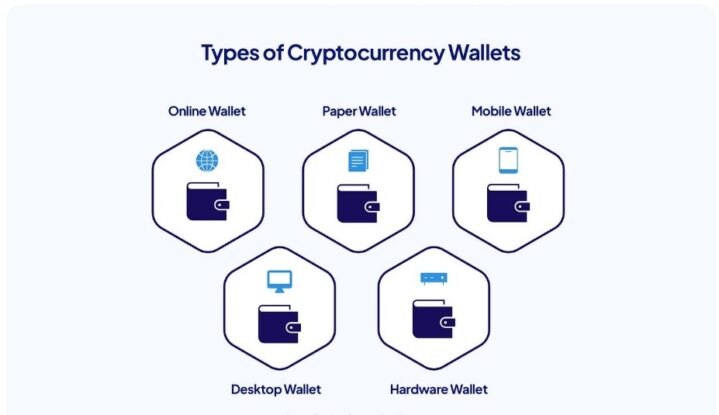
Individual traders and large investors choose storage options that suit their needs best. A brokerage serving such clients needs to analyze the demand for various crypto wallet solutions and integrate them into the platform to improve retention. Below, we have briefly outlined the major features of each solution:
- A custodial wallet is controlled by a provider or an institution. Their main task is to keep secret keys safe and protect operations with holdings.
- Cold wallets are the top choice among investors interested in the long-term value of crypto. Such users transfer tokens to offline storage and keep them there until their value significantly increases. Noncustodial hardware wallets are physical devices that are used offline.
- Hot wallets are commonly preferred by traders who engage in purchasing and selling tokens daily and earn money on price fluctuations.
Forward-looking brokerages are developing hybrid storage systems that allow users to switch between storage solutions based on their needs. Such an approach enables improvements in UX. Secure cryptocurrency wallets are built for storing crypto assets. When using such platforms, traders can choose networks with lower fees, like TRTC20 or ERC20. When choosing the most suitable storage, one should take into account the following:
- The speed of transactions within a network
- The availability of automated features
- Advanced monitoring tools
- Integration with CRMs and trading platforms
- API integrations
Brokerages should have a strong team with the right technical background and skills to integrate a crypto wallet. Such experts know how to simplify approvals and configure access rights to augment safety.
Understanding How Cryptocurrency Wallets Work
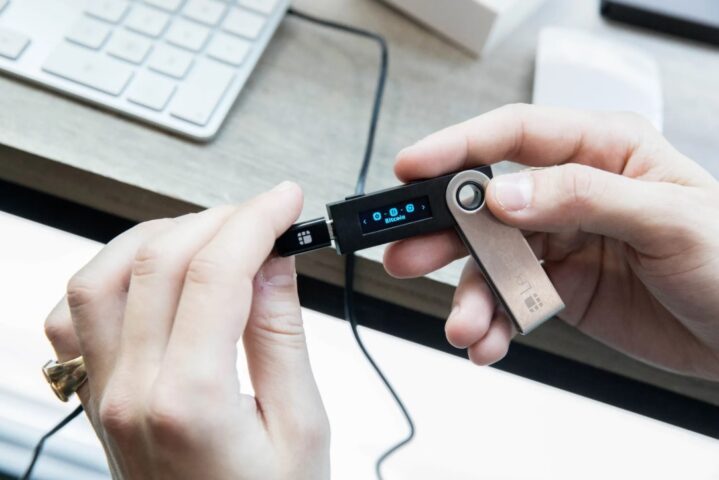
Brokers make their platforms more convenient to use, as they strive to attract more users. They add several reliable storage options to allow clients to choose the one that suits them. When a person deposits funds, they use a unique address generated by a wallet. It can be used as an account number. Other users can send transfers to it directly. If a person wants to sell tokens stored in cryptocurrency wallets, they use keys to confirm this action. When other participants of the blockchain validate the transaction, it becomes completed.
Brokerages typically implement additional protection mechanisms to ensure the safety of user assets. The deployment of automated or semi-automated features streamlines transactions and ensures they will be completed faster.
Every finalized transaction is recorded in the public ledger. Brokerages have built-in systems that synchronize client and transaction data after tokens are sent to a trading account. Such platforms must follow current KYC policies and adhere to local and international laws. They store information about transactions, confirm users’ identities, and charge fees, while staying fully compliant.
The use of bidirectional APIs is necessary for reconciliation, as they enable connections among wallets, CRMs, and brokerages. Many platforms have automated tools that keep information up to date. Using dedicated broker software ensures quick reconciliation and enables systems to flag potential issues automatically.
How to Build a Compliant Storage System?
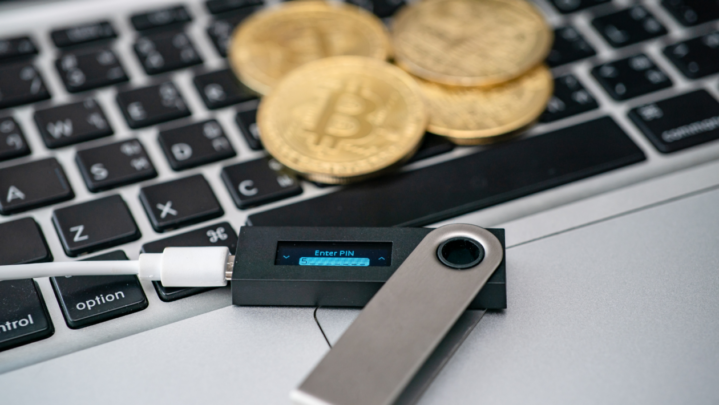
Brokerages integrate special mechanisms to guarantee safety for clients. The usage of multi-signature cryptocurrency wallets necessitates having access to full keys. In contrast, using the MCP standard involves splitting them into multiple parts. A brokerage should follow such tips to avoid non-compliance issues:
- Keep working capital and reserves separate.
- Set transaction limits.
- Use withdrawal permissions.
- Protect user data and investments.
A brokerage functions like a cryptocurrency exchange when it comes to safeguarding keys. It should also adhere to recommendations for Virtual Asset Service Providers. Compliance with KYC/AML regulations is a prerequisite for preventing suspicious activities.
A brokerage should follow such steps to improve its reputation and attract clients:
- Implement automated reconciliation mechanisms.
- Use cryptocurrency wallets developed for business needs to safeguard clients’ tokens.
- Integrate monitoring features.
- Make hardware wallets as a part of the infrastructure.
While these tips allow brokerages to increase the safety of their systems, many companies find it difficult to upgrade their security features. So, they choose turnkey Forex solutions to get ready-to-use solutions.
Top Reasons to Use Cryptocurrency Wallets

Traders who prefer using cryptocurrencies opt for digital storage options to keep their holdings safe. When a brokerage uses a noncustodial or custodial wallet, it no longer needs to make any bank transfers. There are several advantages of such solutions:
- Affordable fees;
- No delays with transactions;
- Accessibility across the globe;
- Improved client experience.
Many brokerages integrate multiple cryptocurrency wallets to help them choose the most suitable storage option. Users with various investment strategies can use these options to minimize threats.
Final Thoughts
Companies providing brokerage services must develop flexible crypto wallet infrastructure and include multiple reliable storage solutions in it. This diversified approach will enable them to expedite transactions and win clients’ trust by helping them protect assets.
Developing such a complex system from scratch requires significant time and resources, which is why third-party services are very convenient. XCritical builds top-grade brokerage solutions. Get in touch with the team now and discover how to level up your business.