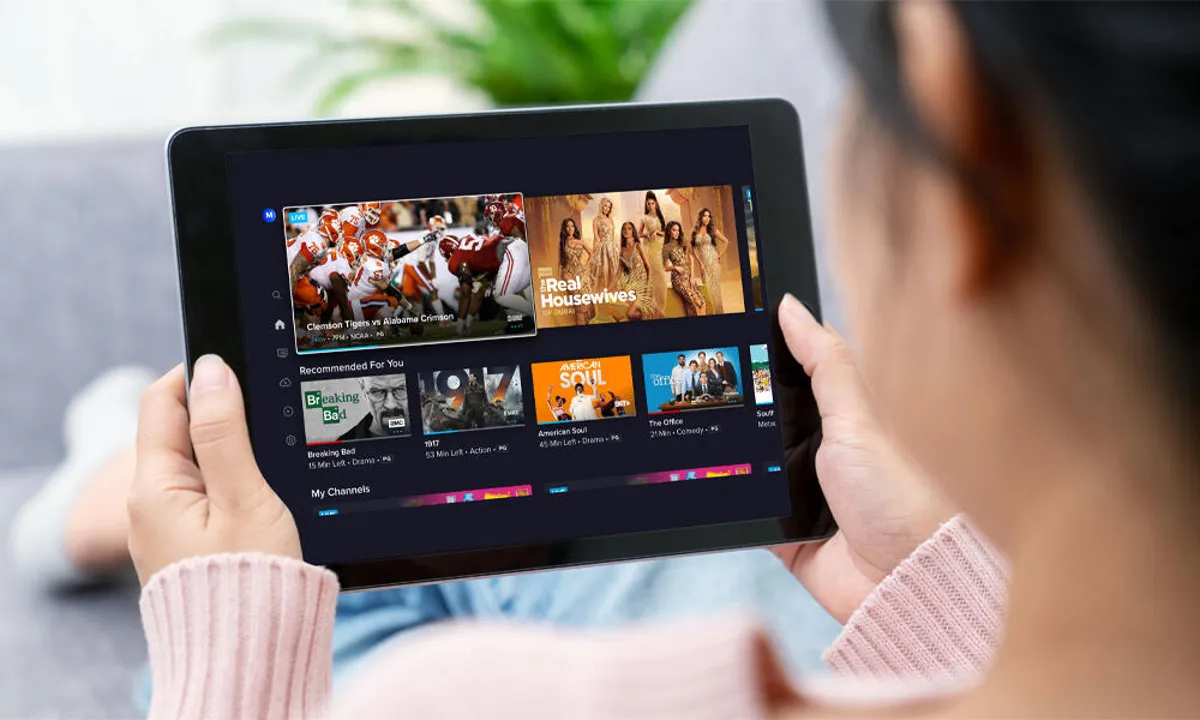
Streaming in 2026 is no longer just about picking one platform and sticking with it. Most users now juggle multiple services depending on what they want to watch, where they are watching, and how much they are willing to spend. If you are using both Windows and Android devices, your expectations are even higher. You need smooth syncing, reliable apps, flexible pricing, and strong video performance across different screens.
This guide takes a practical look at the best streaming platforms for Windows and Android, focusing on real-world usability rather than marketing claims. You will find a clear breakdown of features, pricing, and which service fits different viewing habits, so you can make a smarter choice without wasting money.
Comparing platforms at a glance
To simplify your decision, here is a quick comparison of the main platforms based on key factors:
|
Platform |
Best For |
Price Level |
Android App |
Windows Experience |
| Netflix | Variety and usability | High | Excellent | Strong (browser) |
| Disney+ | Families and bundles | Medium | Excellent | Good |
| Prime Video | Flexibility and value | Low-Medium | Good | Good |
| Apple TV+ | Premium originals | Medium | Limited | Good |
| HBO Max | Quality series | Medium | Good | Good |
This table highlights a key trend in 2026: no single platform dominates every category. Each one has its strengths, and the best choice depends on your priorities.
Many viewers also mix general platforms with niche content providers. For example, sports fans often go beyond traditional apps. If you are interested in live cricket streaming, dedicated platforms can offer real-time coverage and features that mainstream services do not prioritize.
The best streaming setup in 2026 is often a combination of one major platform and one niche service tailored to your interests.
1. Netflix – The most polished all-round experience
Netflix continues to set the standard for user experience, especially when switching between devices. Whether you start a show on your Windows laptop or continue it on your Android phone, the transition feels effortless.
Features that keep Netflix ahead
Netflix excels in areas that many competitors still struggle with:
- Highly refined recommendation system
- Consistent interface across platforms
- Strong Android app with reliable offline downloads
- Frequent updates and performance improvements
Pricing and plans overview
| Plan Type | Ads | Video Quality | Monthly Cost |
| Basic with Ads | Yes | HD | Low |
| Standard | No | Full HD | Medium |
| Premium | No | 4K + HDR | High |
Despite its strengths, Netflix has become one of the more expensive options. Many users now question whether the price increase is justified, especially if they do not regularly watch original content.
Still, if you want a smooth, dependable experience with a massive library, Netflix remains a safe choice.
2. Disney+ and bundles – Best for shared viewing and value
Disney+ has positioned itself as the go-to platform for households and fans of major franchises. Its strength lies not only in content but also in how it bundles services to create better value.
Why Disney+ works well across devices
The Android app is fast and stable, with excellent download support. On Windows, playback through browsers is smooth, although it still lacks a dedicated app experience.
Key highlights include:
- Access to Marvel, Star Wars, Pixar, and National Geographic
- Clean and intuitive interface
- Reliable parental controls for family use
Pricing and bundle strategy
- Around $11.99 per month with ads
- Up to $15.99 for ad-free viewing
- Bundle options that include Hulu and ESPN+
Did you know?
Many users reduce their overall streaming costs by choosing bundles instead of subscribing to each service individually.
If your viewing habits include family content or blockbuster franchises, Disney+ offers strong value, especially when bundled.
3. Amazon Prime Video – Flexible and cost-effective
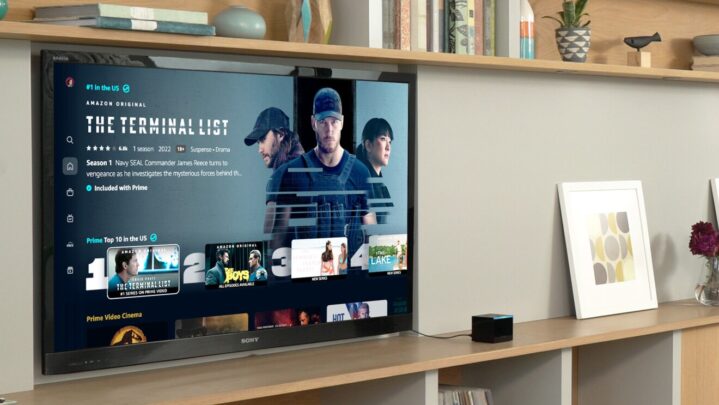
Prime Video has quietly become one of the most versatile streaming platforms. While it may not feel as polished as Netflix, it compensates with flexibility and pricing advantages.
What makes Prime Video unique
Unlike most platforms, Prime Video blends subscription content with rentals and purchases. This gives users more control over what they watch without needing multiple subscriptions.
Key benefits:
- Included with Amazon Prime membership
- Option to rent or buy newly released movies
- Wide range of add-on channels
Strengths and weaknesses
Strengths:
- Affordable overall value
- Strong Android compatibility
- Decent offline viewing support
Weaknesses:
- Interface can feel cluttered
- Content discovery is less intuitive
For users already in the Amazon ecosystem, Prime Video is an easy addition that delivers solid value without a major extra cost.
4. Apple TV+ – Focused, premium, and ad-free
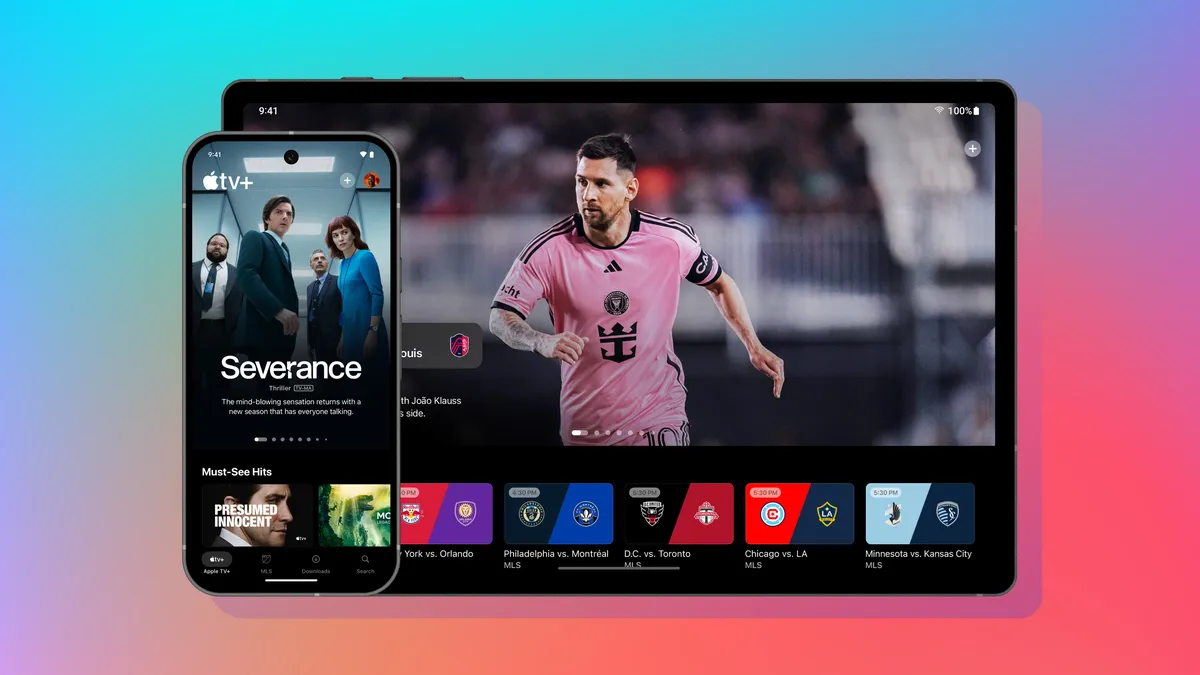
Apple TV+ takes a different approach compared to other streaming platforms. Instead of offering a massive library, it focuses on high-quality original content with a clean and simple user experience.
What sets it apart
- No ads across any plan
- High production value in all original shows
- Simple, distraction-free interface
Device experience
On Android, Apple TV+ is mostly accessed through browsers rather than a dedicated app, which can be a limitation. On Windows, browser playback is smooth but lacks some advanced controls found in native apps.
Apple TV+ is ideal for viewers who prefer quality over quantity and want a curated viewing experience.
At around $9.99 per month, it is competitively priced, but its smaller library means it often works best as a secondary subscription rather than a primary one.
5. HBO Max and other contenders – Expanding your options
Beyond the major platforms, services like HBO Max continue to play an important role in the streaming landscape. They often focus on specific types of content that appeal to more targeted audiences.
Why consider additional platforms
HBO Max, for example, is known for:
- High-quality series and exclusive releases
- Strong catalog of movies and premium content
- Competitive pricing compared to top-tier services
Other platforms may specialize in:
- Anime and international content
- Live TV and sports integration
- Regional programming
Adding one of these services to your lineup can significantly improve your overall streaming experience, especially if your interests go beyond mainstream entertainment.
Final thoughts on streaming in 2026
Streaming platforms have matured significantly, but they have also become more complex. Pricing tiers, content exclusivity, and device compatibility all play a role in shaping your experience.
For Windows and Android users, the key is balance. You want platforms that work smoothly across devices while offering enough value to justify their cost. Netflix remains the most polished option, Disney+ offers strong value through bundles, Prime Video provides flexibility, and Apple TV+ delivers premium content in a focused package.
Ultimately, the best streaming setup is not about having everything. It is about choosing the right mix that fits your viewing habits, your devices, and your budget.