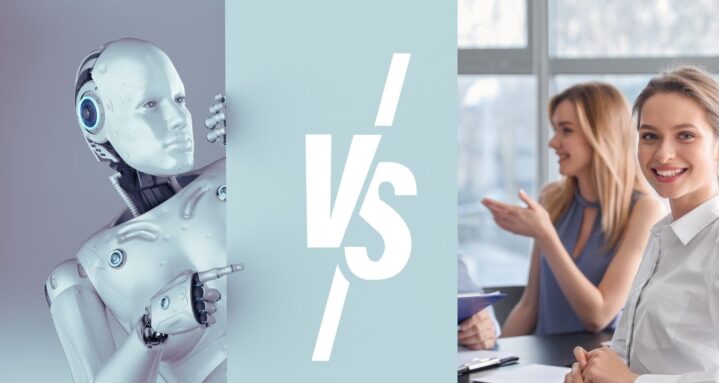
HR teams have been through every workplace shift you can imagine. New software. New rules. New expectations from candidates who want quick replies and smooth processes.
Now, AI steps into the picture and raises a question that gets thrown around in meetings more often than budget cuts.
Will jobs in HR get replaced? Or is the future more like a long partnership with machines doing the heavy lifting while humans deal with the work that actually requires a pulse?
Plenty of speculation floats around conference halls. Yet the real story sits somewhere far more practical. HR already uses automation. Resume screening. Interview scheduling. Onboarding checklists. Nothing mysterious.
The next wave simply increases the volume and accuracy of that help. So the smarter way to think about AI is simple. Where exactly does it accelerate HR tasks? And where does it fall short in ways that matter too much to ignore.
The answers point toward a future where HR professionals stay very much in the picture, only with fewer spreadsheets and far more strategic influence.
Where AI Fits Smoothly Into HR Workflows
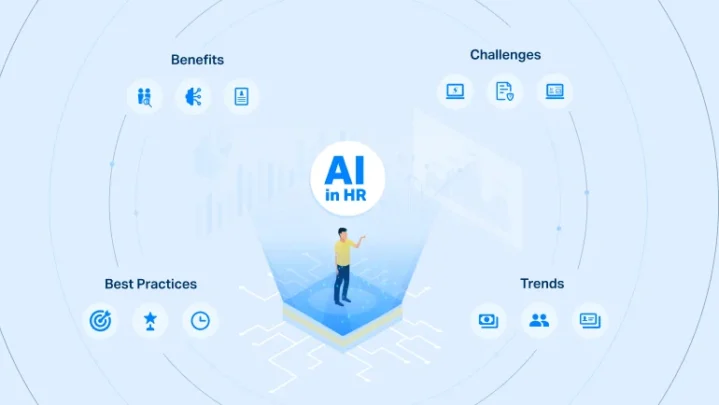
AI thrives in tasks with structure. Patterns, repetition, rules. HR is filled with tasks that match that description. When companies talk about adopting AI, the early wins almost always show up in the same areas.
HR teams exploring AI-assisted processes often look to visit website for leadership models that support smoother adoption.
Resume Screening at Scale
Large hiring cycles generate mountains of applications. Screening them manually drains hours that HR teams never get back.
AI steps in with keyword matches, skill clustering, and ranking models that push the most relevant candidates to the top of the stack.
It works well when job requirements are clear. AI can break apart job descriptions, compare them with resumes, and score matches faster than any recruiter with two monitors and too much coffee.
The upside is speed. HR teams can redirect their focus toward interviews and human evaluation instead of juggling endless CVs.
Scheduling and Workflow Automation
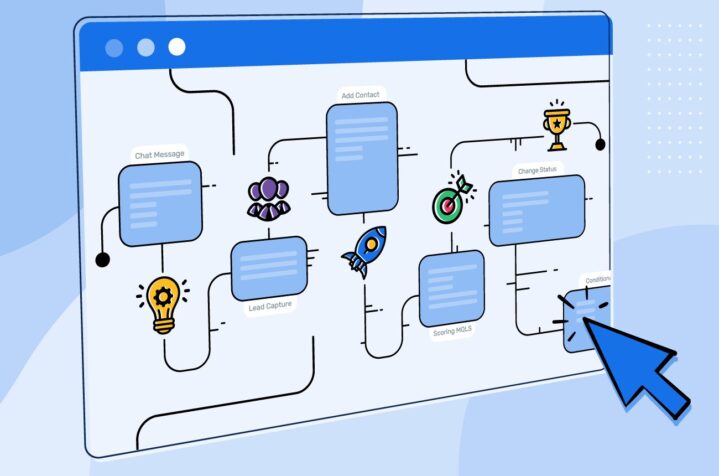
Calendar clutter often slows hiring more than any external factor. AI scheduling tools can sync with recruiter calendars, candidate time zones, and meeting room availability with minimal friction.
Onboarding checklists also fit neatly into structured automation. Equipment requests, account setups, policy signatures. AI can track progress, send reminders, and nudge people who fall behind in the workflow.
These are the types of tasks where precision and consistency win, so the fit is smooth.
Policy Drafting Support
Companies update policies constantly. Leave rules. Remote work guidelines. Travel approvals. AI can draft the first version based on templates and previous documents. HR then shapes the final text.
It does not replace HR judgment. It supports faster drafting, especially for teams that produce dozens of documents each year.
HR Analytics
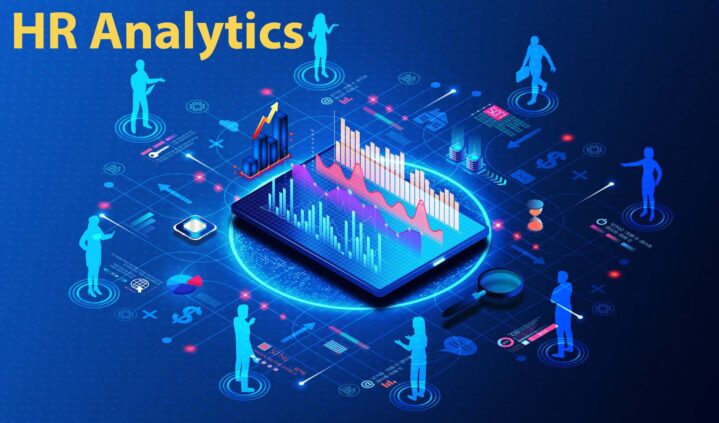
Data interpretation might be one of the biggest benefits companies feel. Attrition patterns. Pay equity indicators. Time to fill. AI can monitor data in the background and produce insights long before they become painful issues.
When reporting season arrives, HR no longer starts from zero. AI surfaces trends and outliers instantly. HR simply interprets what those trends actually mean for people.
Where AI Struggles With HR’s Human Side
AI shines with structure. People rarely behave in structured ways. HR regularly enters territory that requires empathy, contextual judgment, and a sense of timing. Machines do not handle those layers well.
Performance Conversations
A conversation about weak performance or shifting responsibilities requires nuance. People arrive with worries, emotions, and personal history. AI cannot sense discomfort sitting across the table. It cannot adjust its tone on the spot. It cannot build trust.
No company is comfortable handing those moments to software.
Workplace Conflicts
Disagreements appear in every workplace. They often involve details that never make it into emails or policies. HR professionals lean on intuition built through years of internal experience. They know personalities, past events, and team dynamics.
AI tools rely on data. Conflicts rarely present clean data. Emotional context matters too much.
Culture Building
Culture lives in quiet signals. Who gets promoted. How teams celebrate wins. How leaders behave when no one is watching. AI can measure engagement or sentiment scores, but it cannot create belonging.
HR remains the steward of values, communication tone, and decision patterns that shape a workplace over time.
Strategic Workforce Planning
Deciding which roles to grow, which skills to invest in, and which departments need restructuring involves layers of business insight. AI can provide forecasts, yet someone still needs to match them with market knowledge and leadership priorities.
HR teams speak with executives, managers and employees daily. Those relationships drive the real plan.
The Jobs Most Likely To Evolve, Not Disappear

AI does not wipe out HR roles. It reshapes them. Tasks once seen as time-consuming become automated, which shifts the skill profile of HR work toward strategy, coaching and internal communication.
Below is a simple table showing how responsibilities evolve.
| HR Area | Traditional Work | AI Supported Future |
| Recruitment | Manual screening, repetitive scheduling, and inbox management | Automated ranking, calendar coordination, quick candidate workflow updates |
| Onboarding | Checklists, document collection, follow-up emails | Automated reminders, progress tracking, default document setup |
| Employee Relations | Mediation, coaching, conflict conversations | AI sentiment alerts, trend analysis, conversation preparation |
| Analytics | Manual report compilation, spreadsheet modeling | Real-time dashboards, pattern detection, predictive insights |
| Learning and Development | Designing programs from scratch | Skill gap analysis, personalized learning paths, automated recommendations |
Teams shift toward work that requires influence and decision-making. Less busywork. More coaching and strategic thinking.
The Skills HR Professionals Should Build Now
HR careers stay safe when they shift toward capabilities AI cannot replicate. Companies reward HR teams that bridge business goals and human needs. The list of valuable skills grows longer each year.
Data Literacy
AI produces insights. Someone still needs to interpret them. HR teams benefit from knowing how models work, where their blind spots sit, and which metrics matter in a particular business cycle.
Basic data literacy means HR can challenge reports, ask smarter questions and avoid misleading conclusions.
Coaching and Communication
No AI tool can guide a manager through a difficult conversation with the same level of trust a skilled HR partner provides. Coaching, conflict resolution, and communication strategies keep HR indispensable.
Teams that master calm, precise messaging rise quickly inside organizations.
Policy Interpretation
AI can draft text, but HR evaluates legal risk and cultural fit. Those decisions require institutional memory. They also require a real feel for how people behave in a particular company.
Professionals who understand how to shape governance and compliance remain essential.
Ethical Oversight
AI introduces risk. Bias, data misuse, and poor transparency create serious problems. HR plays a central role in auditing decisions made by AI systems. That means knowing where to push back.
Someone must ensure fairness. That someone will always be human.
Why Companies Still Need Human Judgment in Hiring
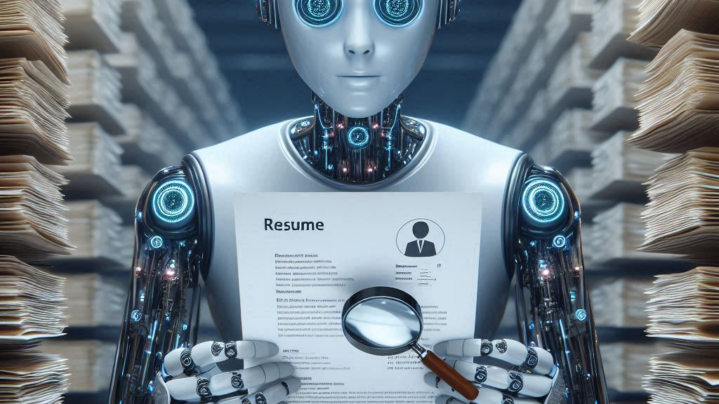
Hiring sits at the heart of HR. AI can analyze resumes, filter skill sets, and highlight mismatches. Yet hiring always involves more than matching text on a page.
Candidates bring nuance that algorithms cannot detect. A sense of drive. Curiosity. Communication style. Ability to stay calm when plans fall apart.
Recruiters form impressions through tone, eye contact, follow-up questions, and personal stories. Machines cannot measure those signals without losing context.
Companies also face legal responsibilities. Overreliance on automated selection tools can attract discrimination claims. Human oversight protects companies from decisions rooted in data patterns that reinforce unfair outcomes.
HR teams remain the final point of accountability. AI may recommend. HR decides.
Examples of AI Working Well in HR Today
Plenty of HR teams already use AI with measurable value.
Candidate Rediscovery
Large companies often forget past applicants who were strong but not selected. AI can scan past records, match new openings with old profiles and revive potential hires who already know the company.
Skill Taxonomy Mapping
Organizations often struggle to define skill clusters. AI can group employees by skill similarity, highlight missing capabilities and support internal mobility planning.
Internal Query Handling
Chatbots provide answers to common HR questions, such as leave balance rules or expense deadlines. They reduce routine interruptions for HR staff and offer instant answers to employees.
Workforce Forecasting
AI can estimate future hiring needs based on turnover patterns, business growth projections, and seasonal spikes. HR then adjusts the strategy.
Each example speeds up non-sensitive work while leaving space for people to handle the high-stakes conversations.
The Future Career Path of an HR Professional
HR careers shift toward advisory roles. Professionals grow into partners for leadership. They help shape culture, long-term workforce decisions, and communication strategy during uncertain moments.
Common future HR roles may look like:
- People Operations Architect
- Talent Intelligence Partner
- AI Governance Specialist for People Data
- Employee Experience Strategist
- Organizational Health Analyst
Each of those roles requires a human capable of balancing data with real-world judgment.
AI does not stop HR from growing. It actually opens space for HR to influence the business at levels that once felt out of reach.
How HR Teams Can Prepare for an AI-Integrated Workplace
Preparation matters more than prediction. HR teams that adapt early feel the benefits sooner.
Audit Current Workflows
Identify tasks that consistently drain hours. Document each step. Highlight anything repetitive. Those tasks often become the first candidates for AI support.
Test Tools on a Small Scale
Experiment with one hiring pipeline, one onboarding flow, or one learning program before making larger commitments. Teams learn what works without overwhelming the system.
Involve Legal Early
AI touches sensitive data. HR, legal, and IT should collaborate on guidelines for privacy, transparency, and accountability.
Train Managers

Managers often become the first group affected by AI-enhanced processes. Teach them how to interpret AI insights and how to keep decision-making grounded in fairness.
So, Will AI Take Over HR Jobs
No. Roles evolve. Tasks shift. HR becomes less about manual administration and more about strategy, interpretation, and human relationships. AI amplifies HR’s reach. It does not erase it.
The companies that get ahead treat AI as an operational partner. Not a replacement. Not a threat. A partner that removes friction so HR teams can focus on decisions, communication, and culture.
The future of HR careers looks bigger, not smaller. That future belongs to professionals who lean into the shift instead of worrying about it.
HR has always been about people. AI does not change that. It simply changes how much time HR gets to spend on the parts of the job that matter most.